Sacrificed Youth
Qinchun ji
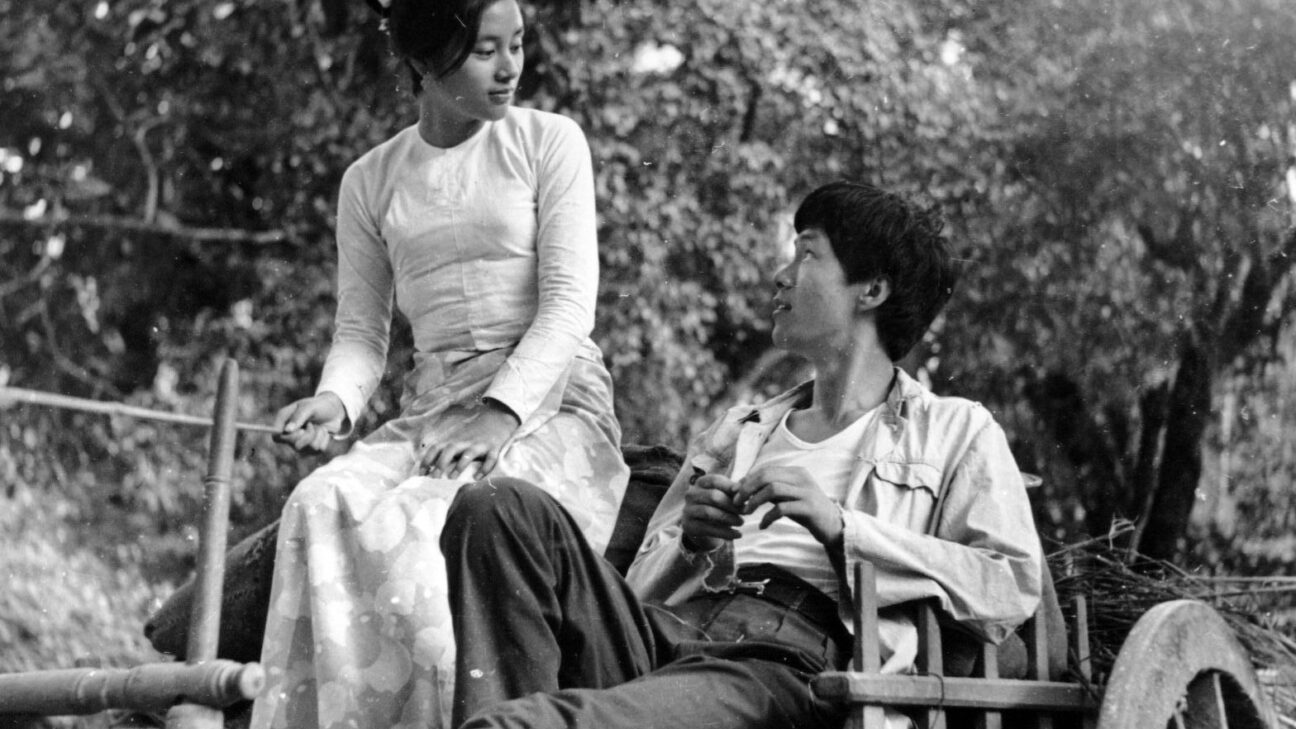
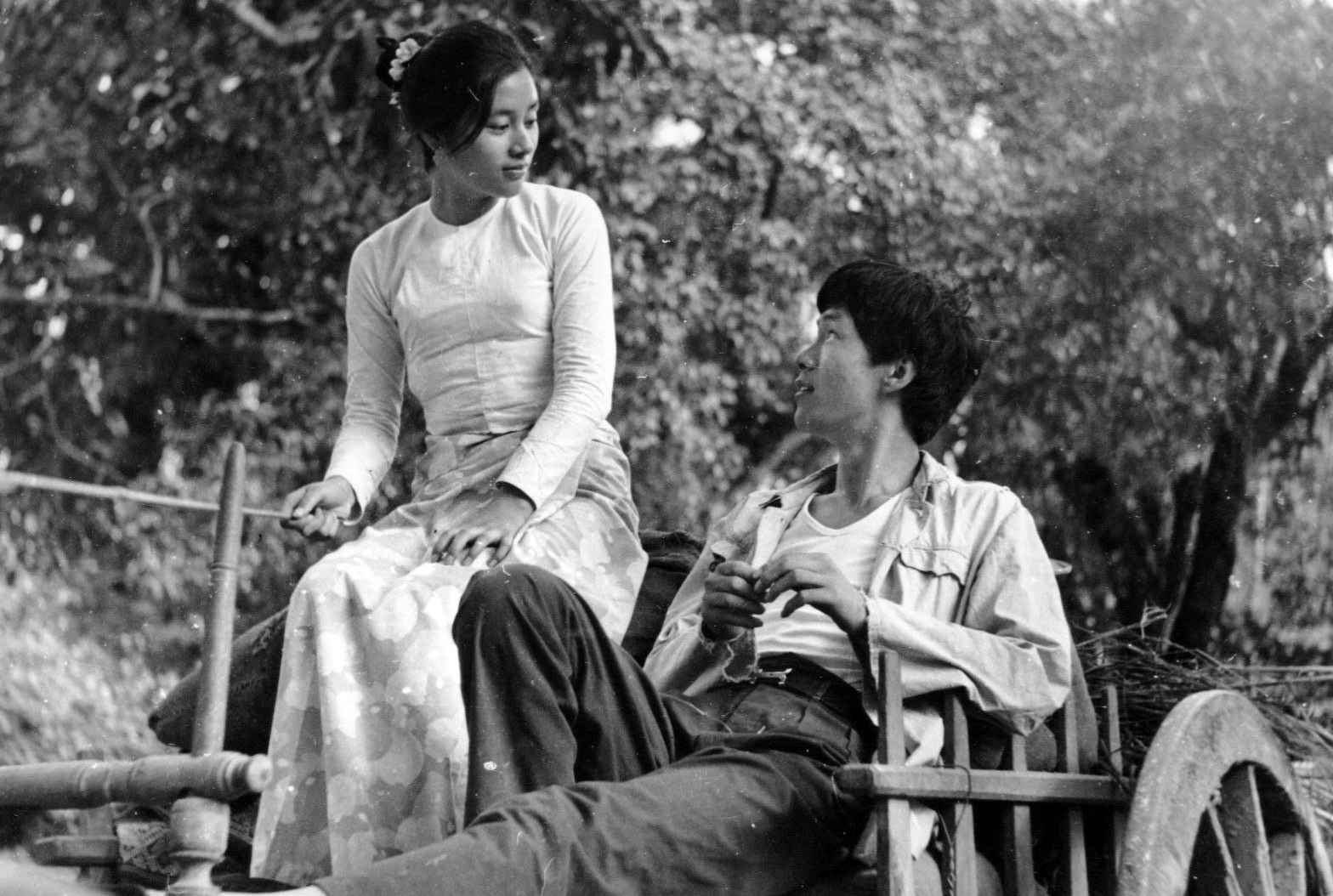
Zhang Nuanxin’s Sacrificed Youth is both a carefully realistic and lyrically fictionalised account of the ‘sent-down youths’ who were expelled from cities to the countryside during the Cultural Revolution. The heroine Li Chun is sent to an idyllic village in the remote Yunnan province to live among her Dai minority hosts. At first, her urban self-consciousness and awareness of ethnic ‘difference’ frustrate her desire to integrate with her adopted community. But as she begins to dress like the Dai young women around her, she starts to discover her own body and the pleasures of adolescent erotic discourse, and cultural barriers begin to melt away.
The film certainly plays on Chinese schematisations of an ethnic minority identity that’s naturalised, embodied, and pictorialised to a certain degree, and uses this to critique urbanites alienated from the majority Chinese culture. But what sets the film apart from almost all other typical Chinese ‘minority films’ is its shocking (for the time) naturalism. Zhang’s free, unmannered hand-held camera, location shooting, natural editing rhythms, and use of non-professional actors still seem fresh and vibrant today. This and the film’s honest depiction of idyllic memories amidst a time of violent cultural dislocation still make it the consensus favourite among young Chinese urban moviegoers of the time. (SK)
Film details
- Productieland
- China
- Jaar
- 1985
- Festivaleditie
- IFFR 2008
- Lengte
- 92'
- Medium/Formaat
- 35mm