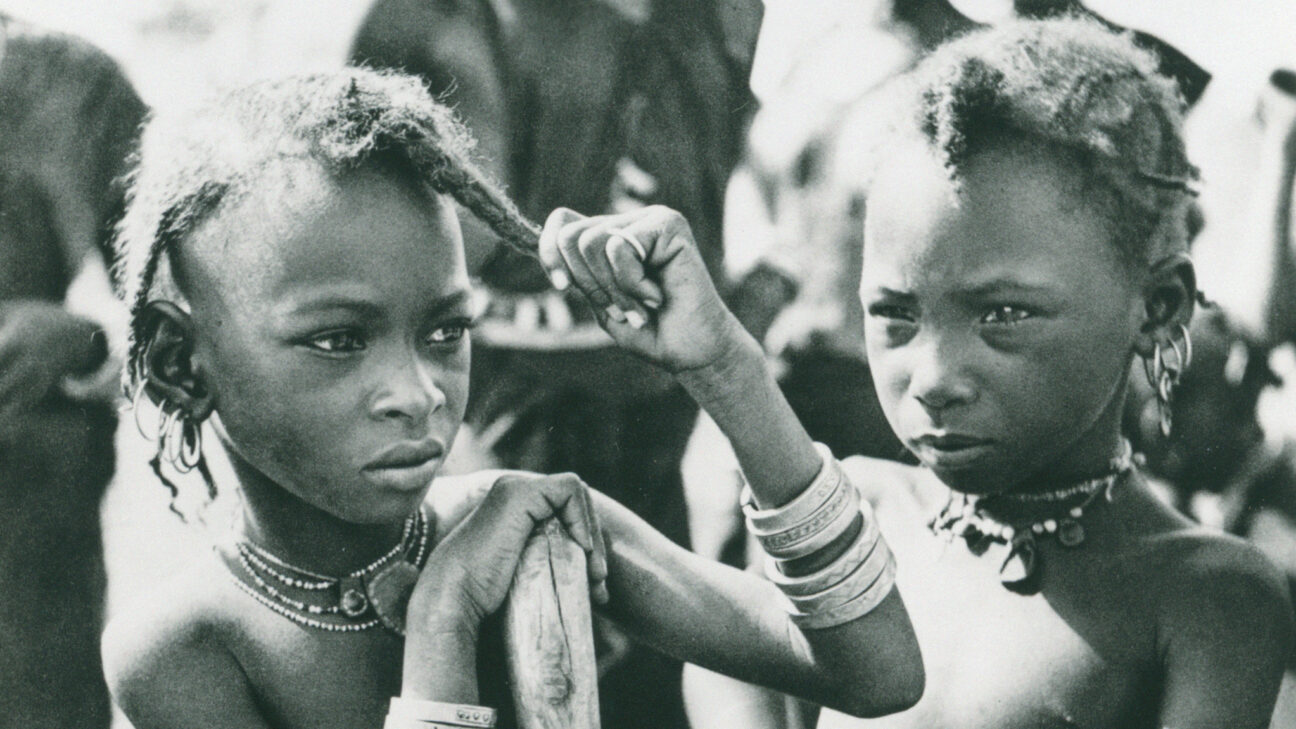
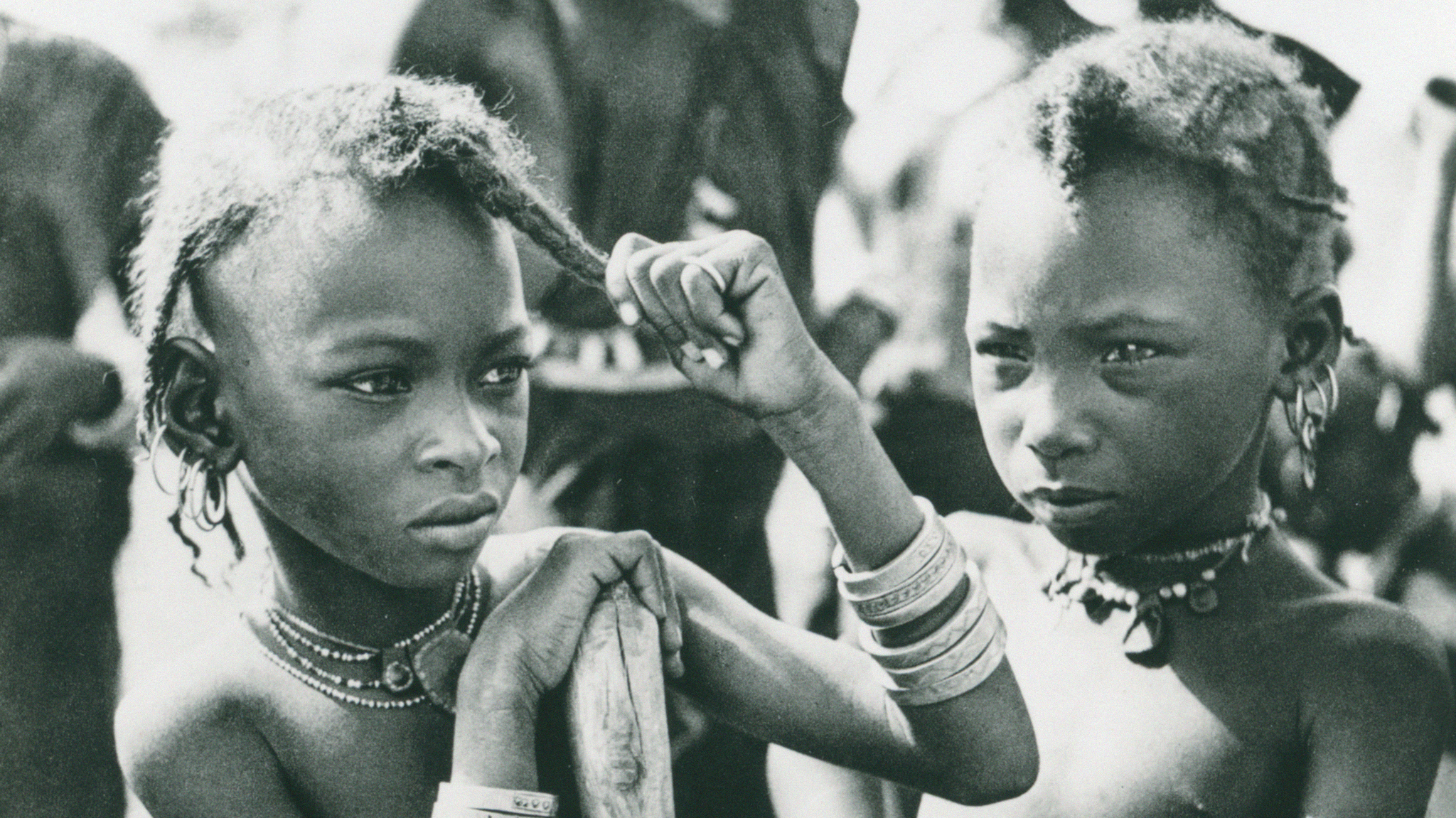
The Wodaabe are a nomadic subgroup of the Fulbe, one of West Africa’s most populous ethnicities. Numbering now about 100,000 people, they’re still roaming the vast spheres between Nigeria and the Central African Republic, from Chad southwards to the Democratic Republic of the Congo, herding cattle and trading goods. By now, the Wodaabe are probably the most widely filmed culture of the sub-Saharan area due to some of their rituals, which stress beauty, grace and performance skills.
In 1953, when Swiss documentarist-ethnographer Henry Brandt went to what was then French West Africa, in the territory of independent Niger now, he became the first to make moving images of the Wodaabe’s day-to-day life as well as the Gerewol, an annual courtship competition particular to this region. For Brandt, it meant making the world greater, furthering our knowledge. 2021 marks his centennial, for which this milestone was digitally restored. Screens together with La Suisse s’interroge.
Film details
- Productieland
- Switzerland
- Jaar
- 1953
- Festivaleditie
- IFFR 2021
- Lengte
- 44'
- Medium/Formaat
- DCP